
Many concrete structures operate in environments that are highly aggressive to concrete and reinforcement: constant water, sewage gases and acids, silage effluent, fuels, oils, chemicals and wear. If concrete is not protected in time, the surface layer deteriorates, the reinforcement starts to corrode and the service life of the structure is significantly shortened. Later repairs are always more expensive than timely protection.
Traveter Grupp OÜ restores and protects concrete structures in a wide range of service environments – drinking water and wastewater treatment plants, biogas plants and silage bunkers, the food industry, fuel and oil containment bunds, fire water tanks and swimming pools. For every project we choose the protection system according to what the concrete is exposed to, the condition of the structure and how it will be used in the future.
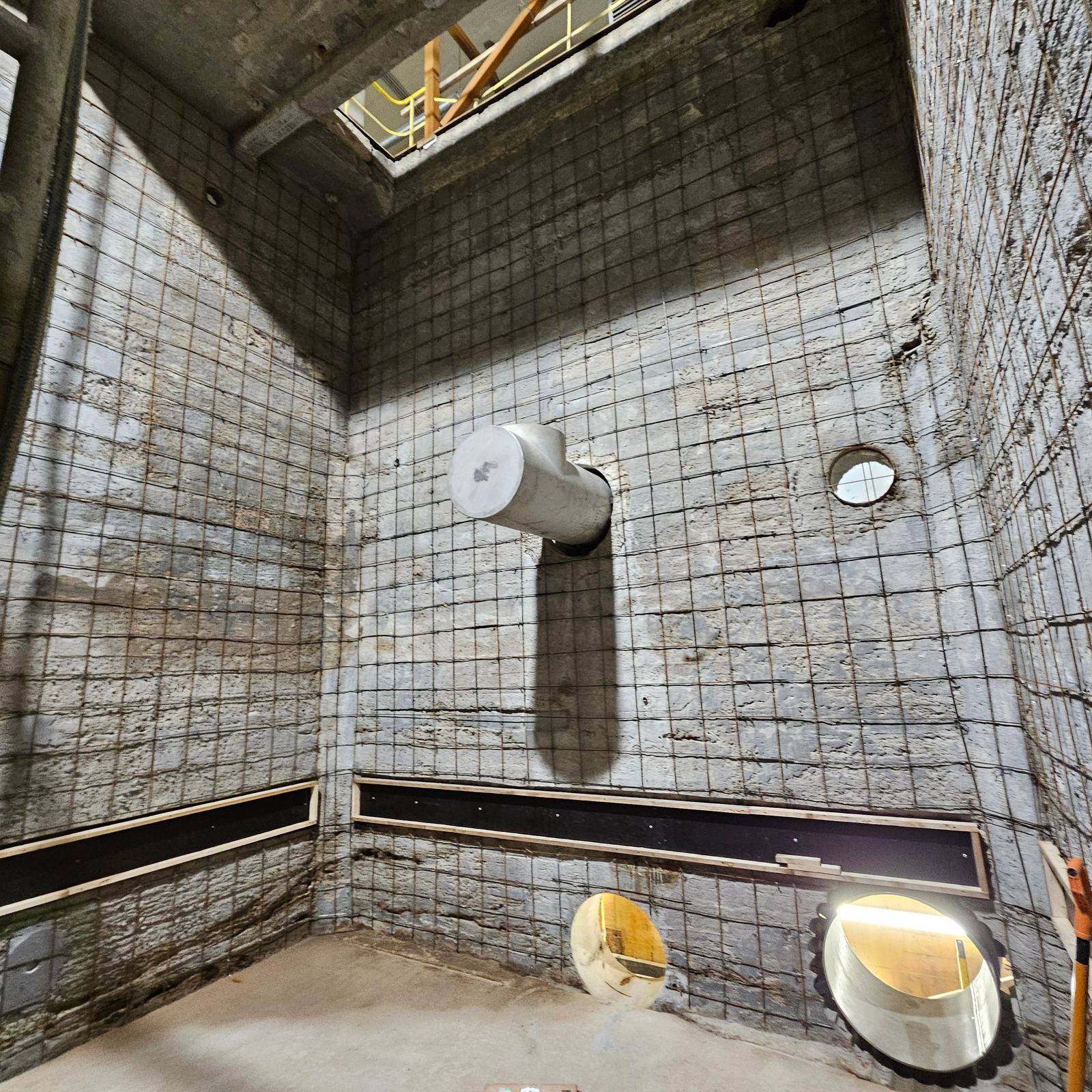
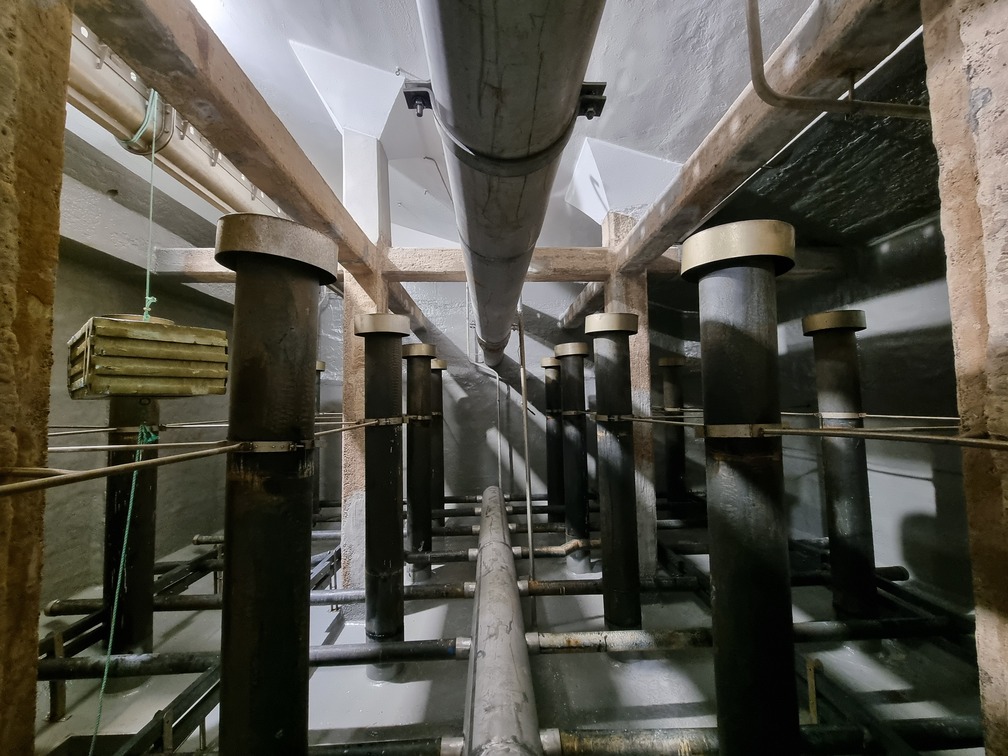
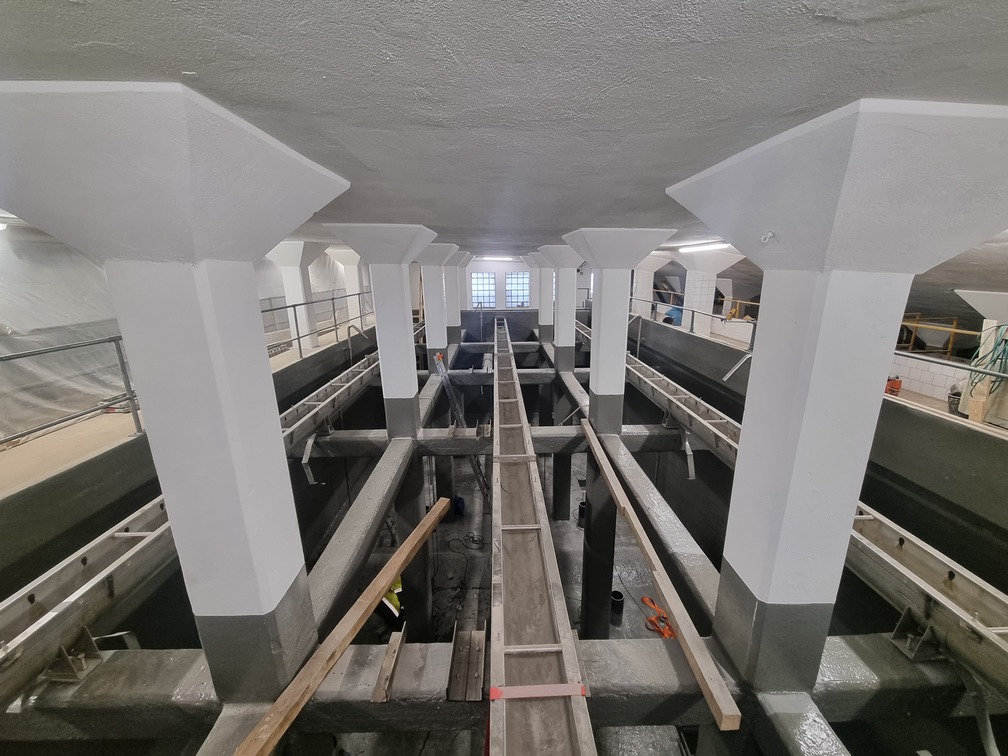
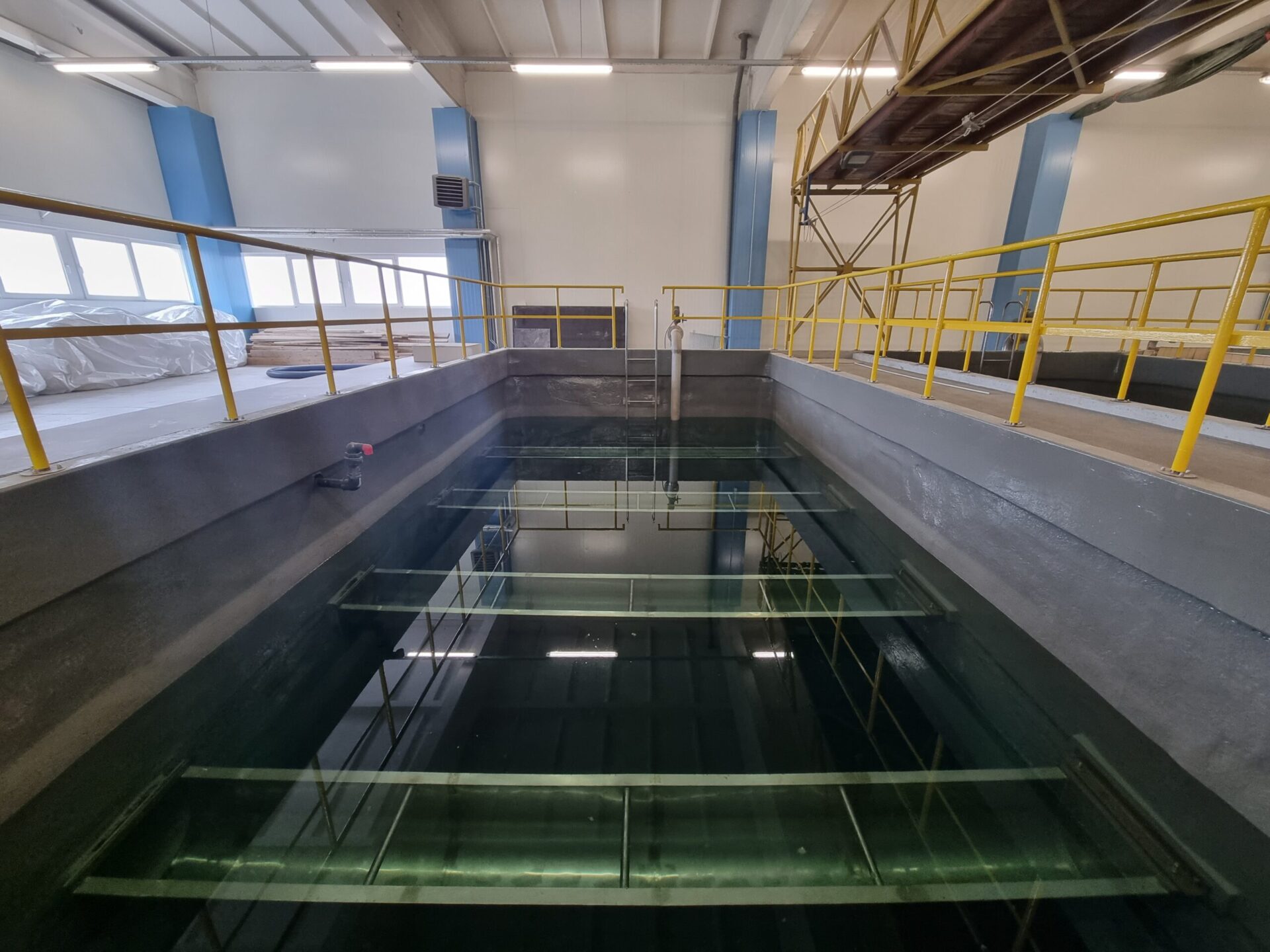
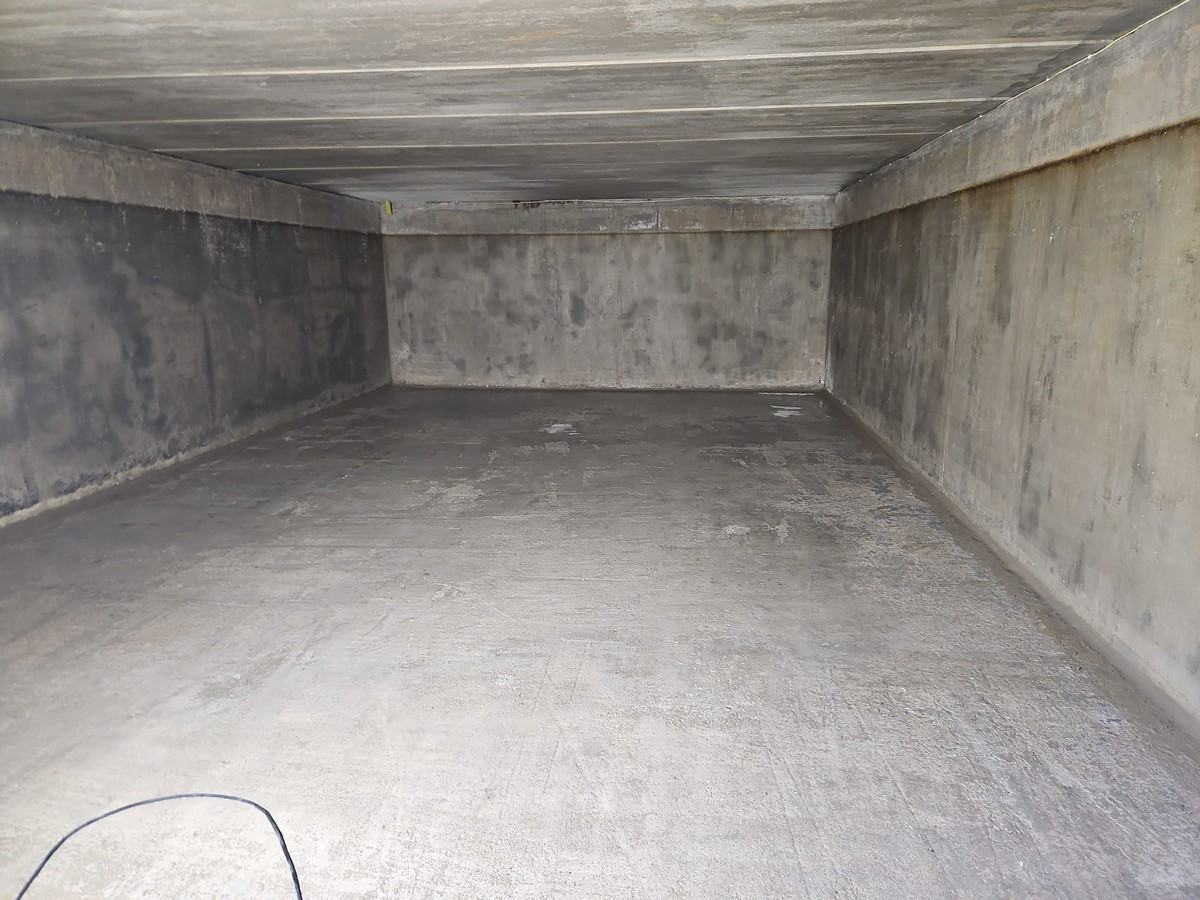
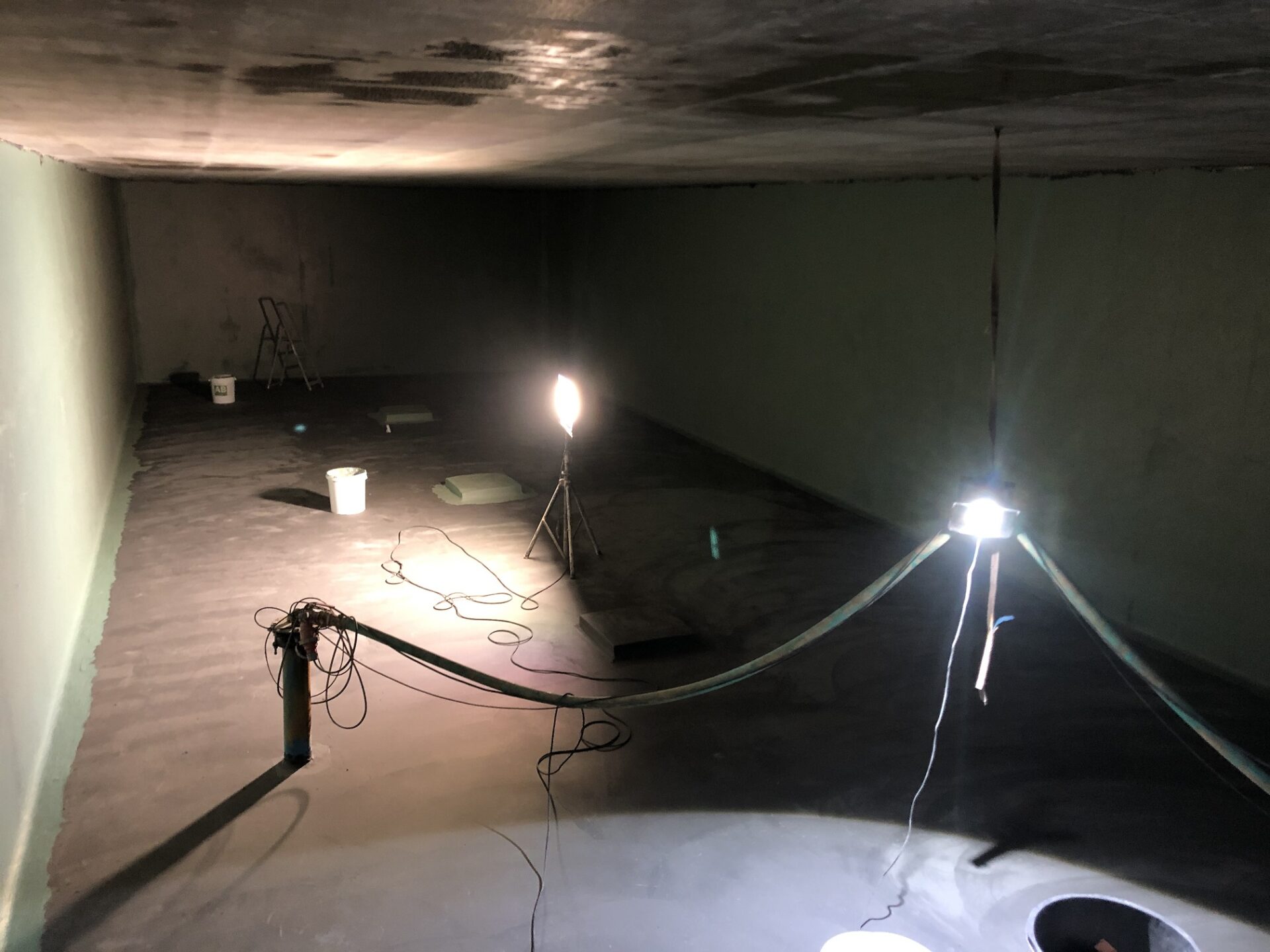
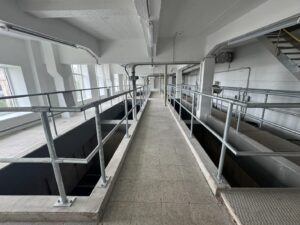 In drinking water tanks, filter basins and clarifiers, all materials in contact with water must be certified for contact with drinking water. The coating must be smooth and dirt-repellent – this makes the tank easy to clean and leaves fewer places for bacteria to accumulate. If the external waterproofing of the tank is missing or no longer works, before the internal finish we install a layer that withstands water pressure from the negative side.
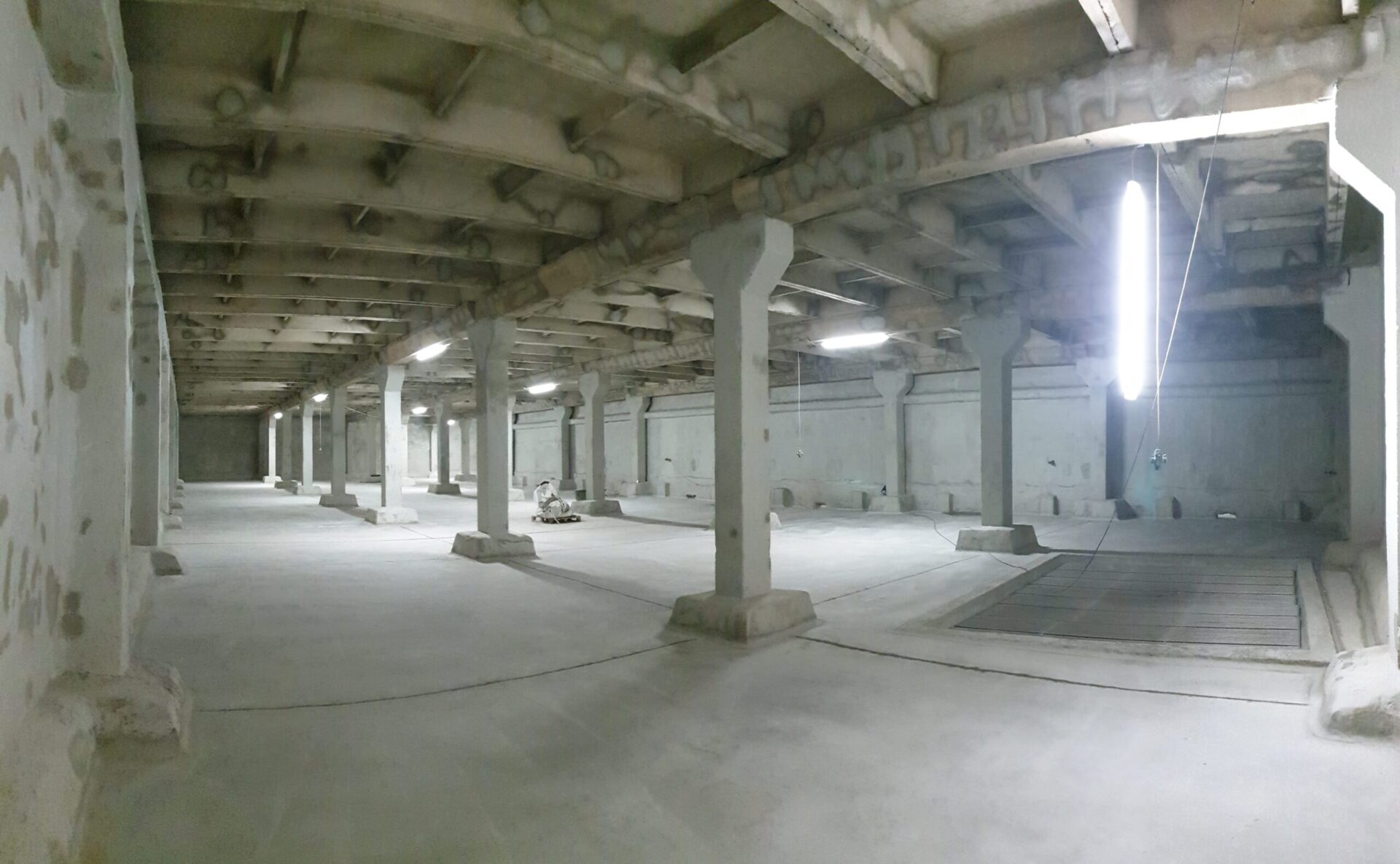
We have carried out works at AS Tallinna Vesi Ülemiste water treatment plant: repair of clarifiers and filter basins and reconstruction of the filters in Building A, built in 1927.
See our drinking water projects »
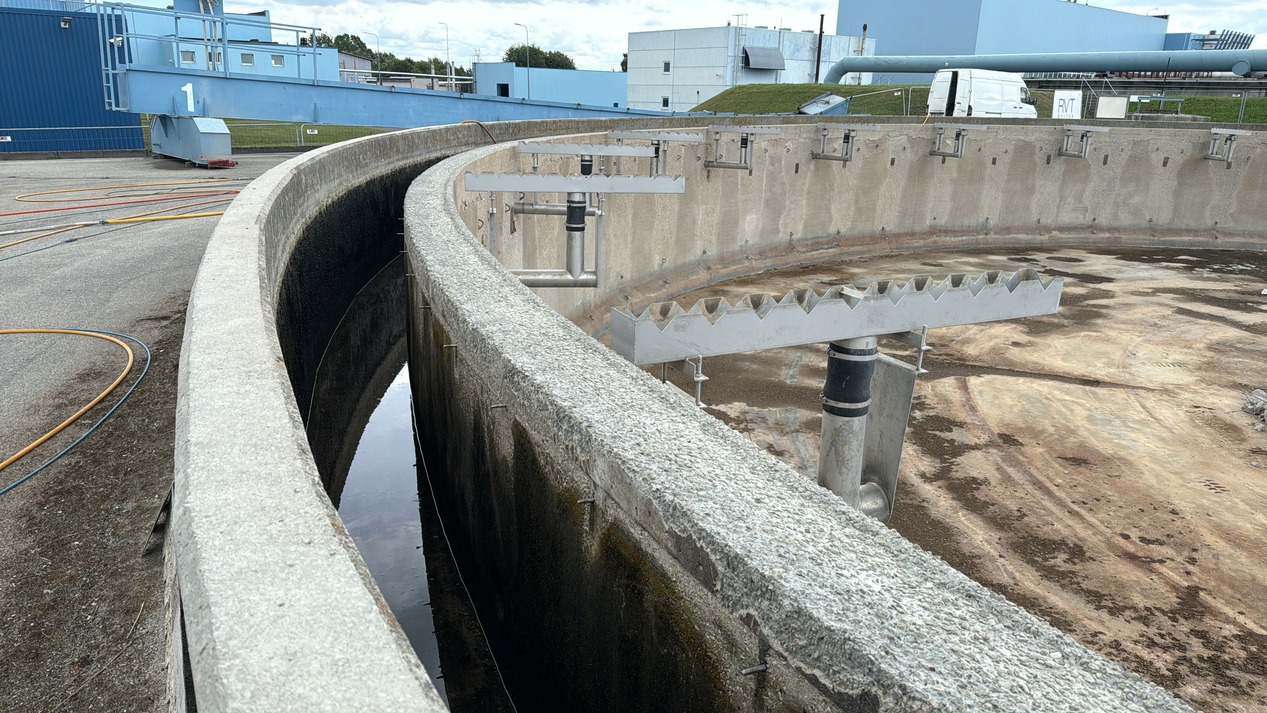
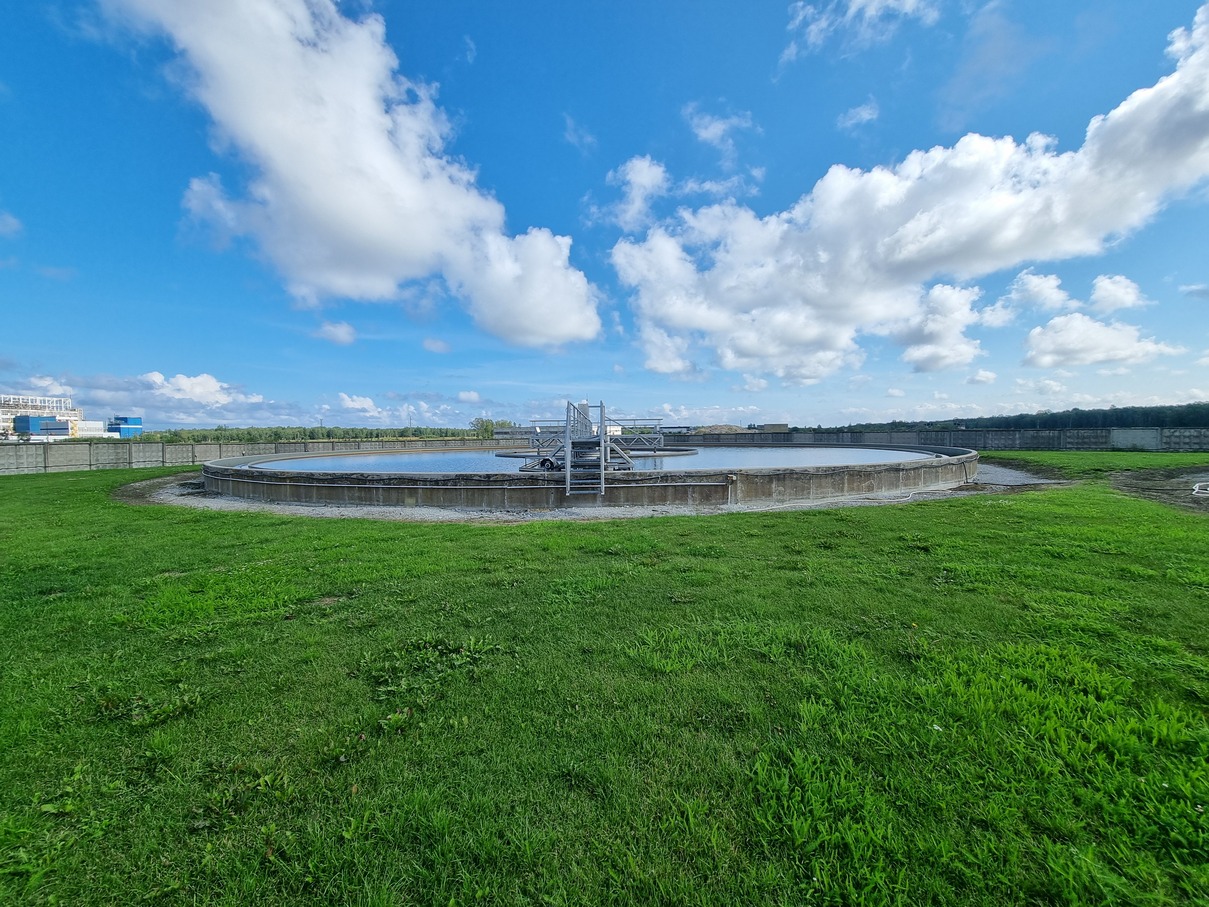
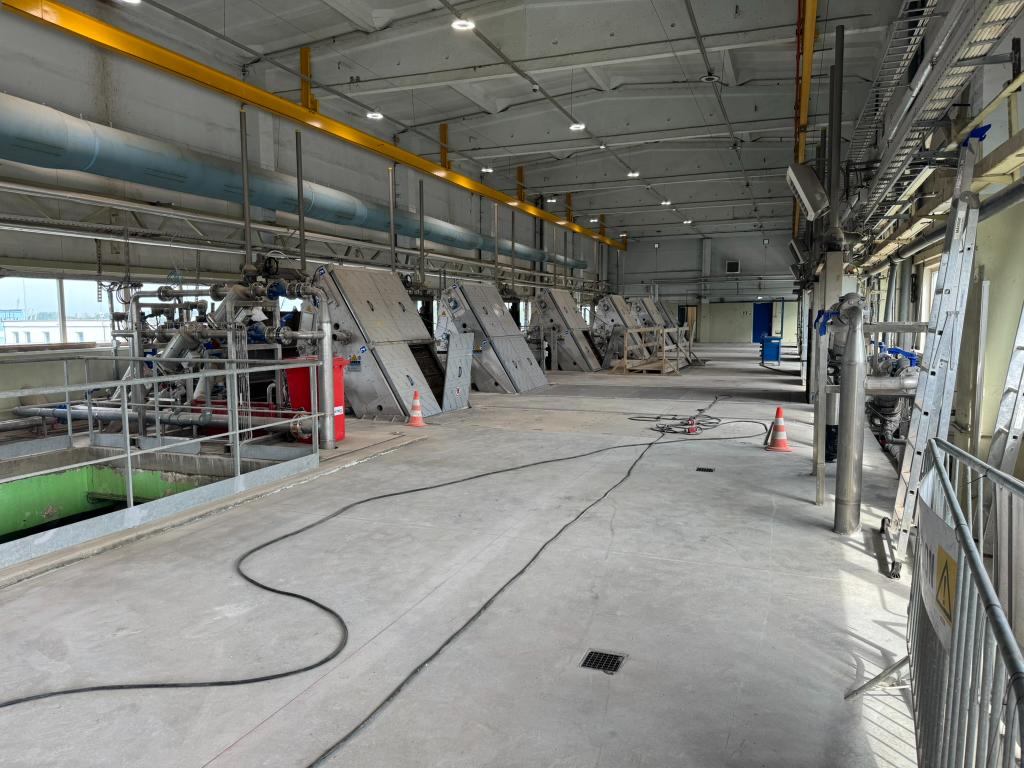
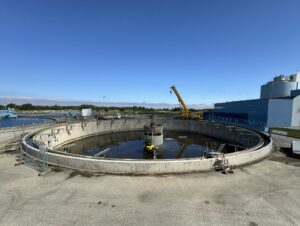 In a wastewater treatment plant, concrete is in constant contact with sewage, chemicals and wear. Above the water level, hydrogen sulphide forms sulphuric acid, which degrades concrete particularly fast. In clarifiers, channels and wells we use highly chemically resistant, crack-bridging protective coatings such as Sikagard®-7000 CR based on Xolutec® technology.
Our completed works include the secondary clarifiers, screen channels and outfall well of the Tallinn wastewater treatment plant and the clarifier of the Kohtla-Järve wastewater treatment plant.
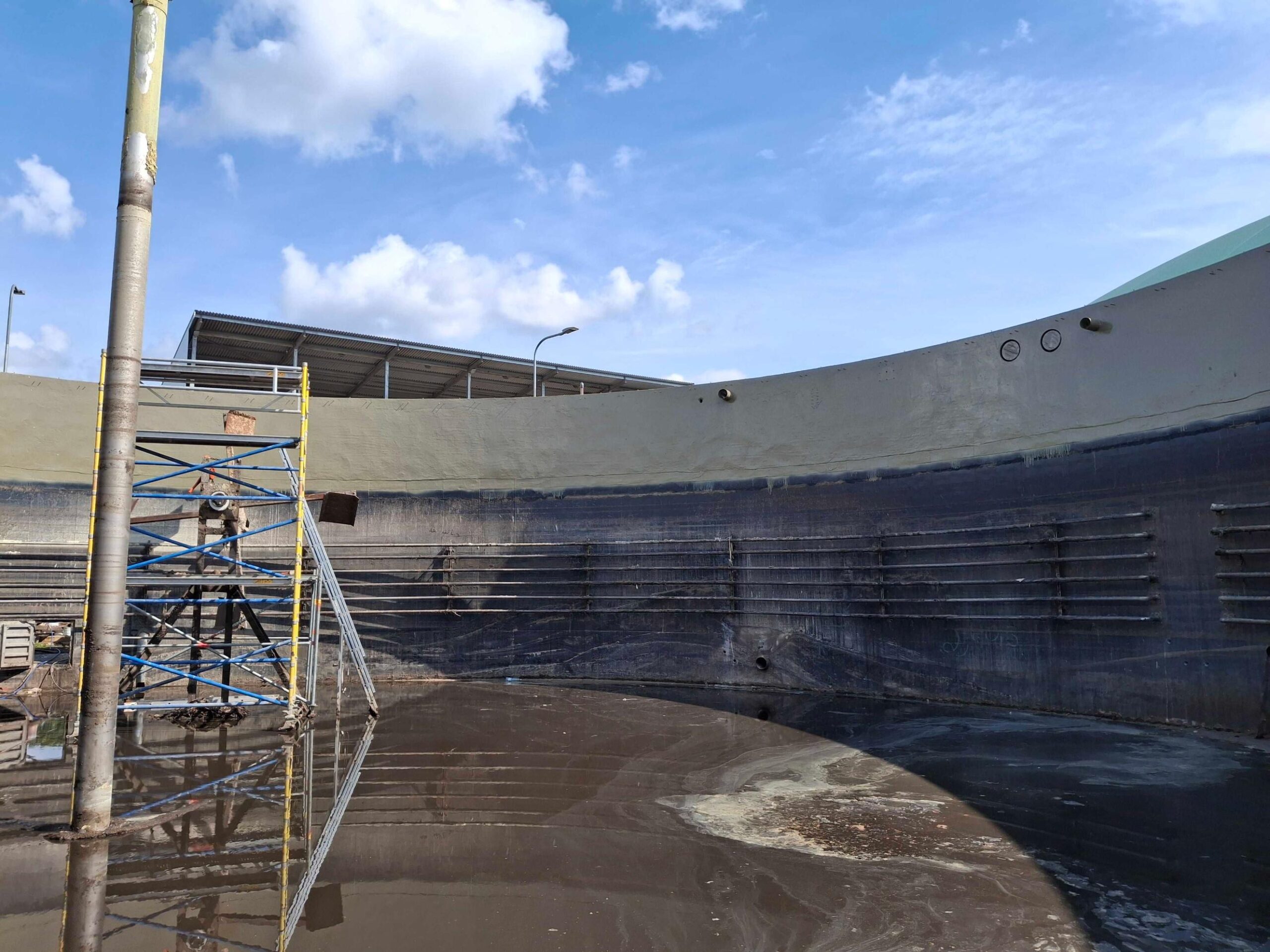
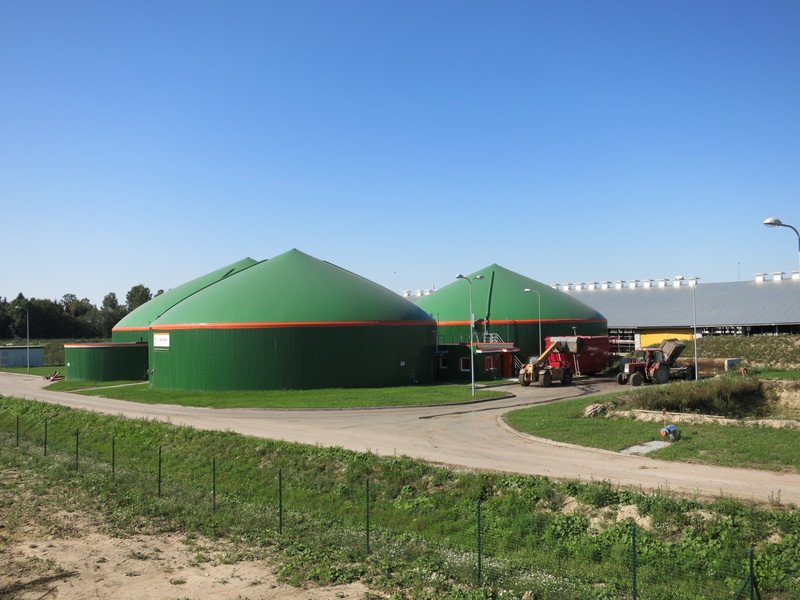
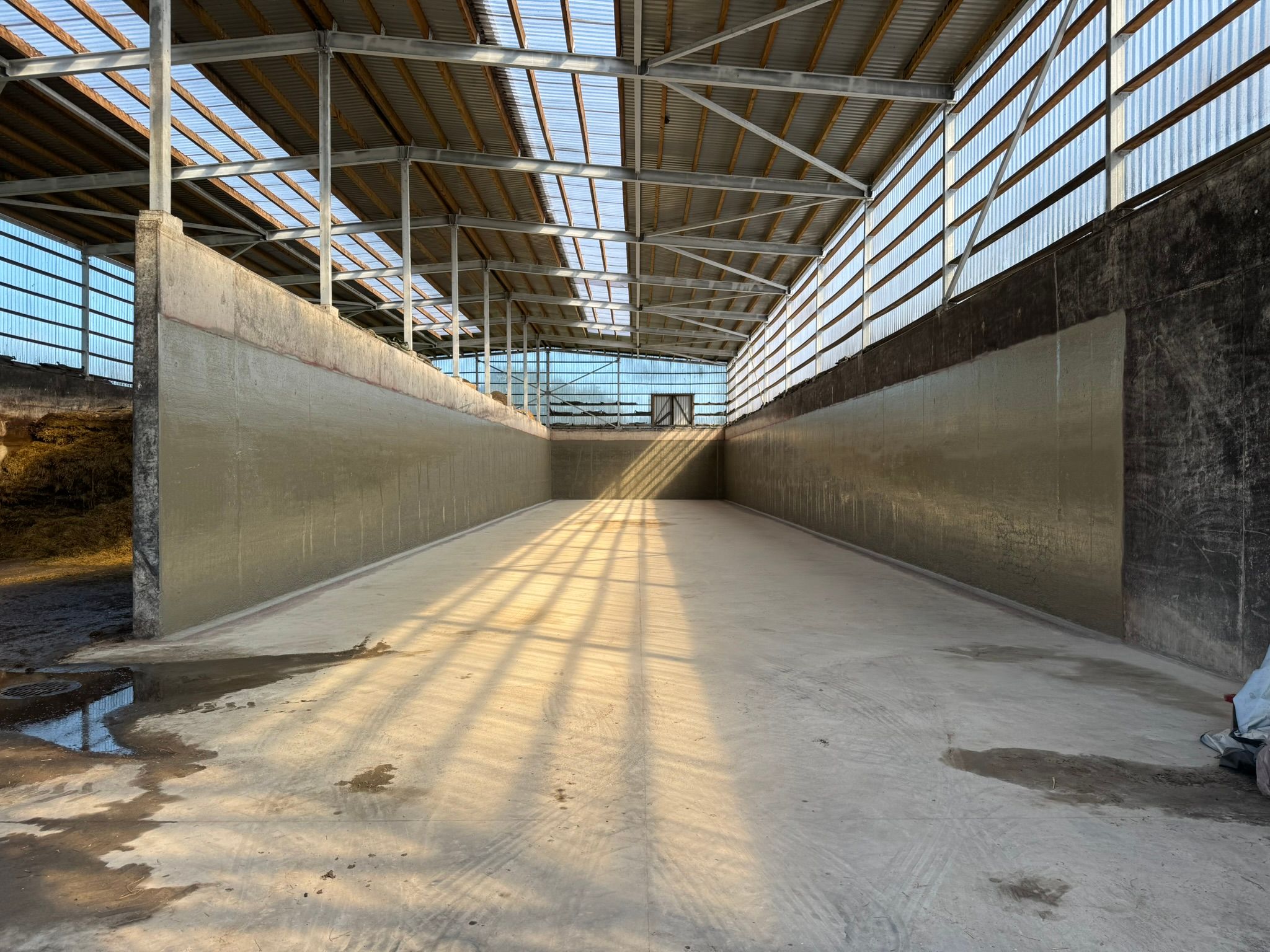
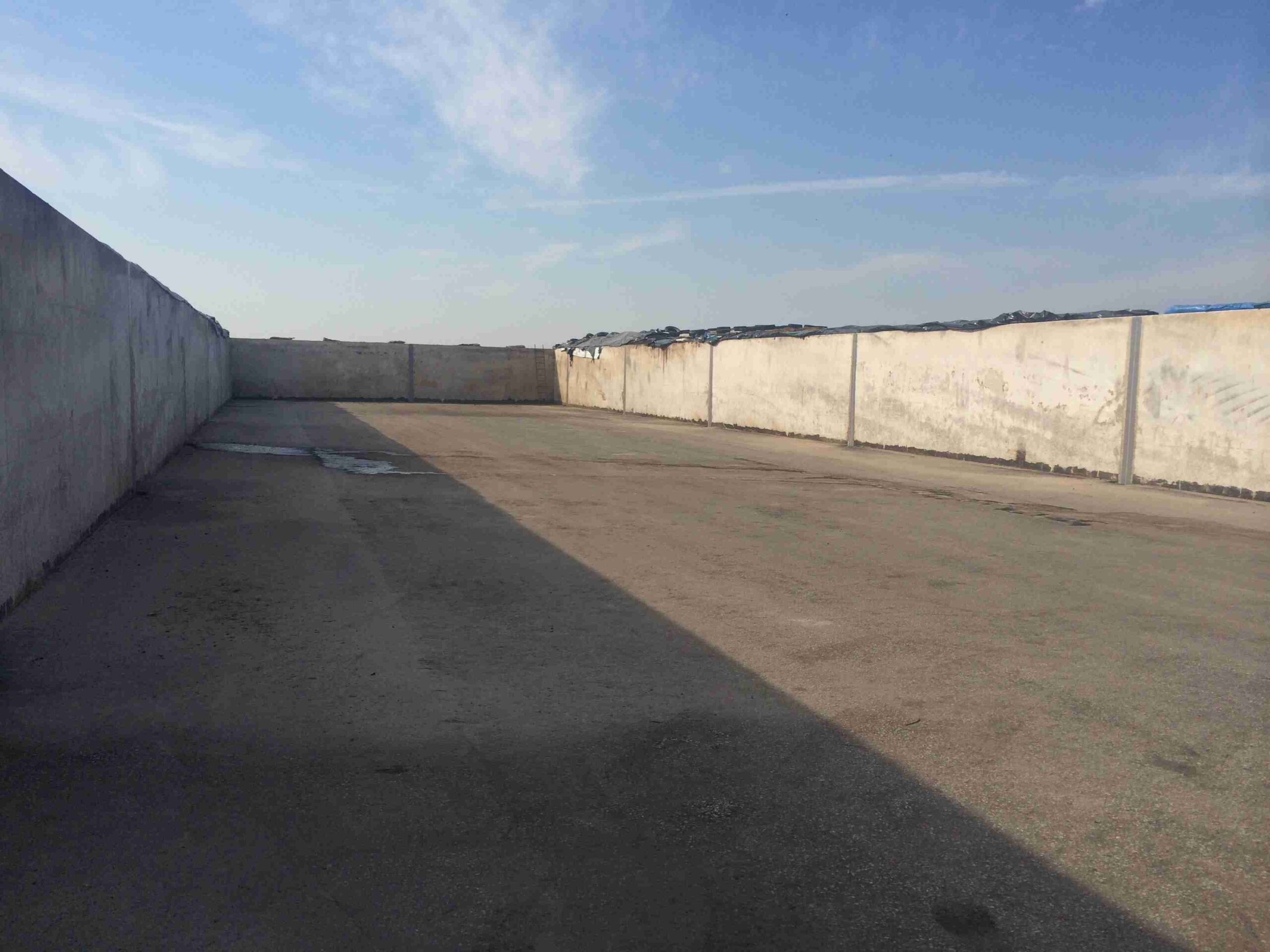
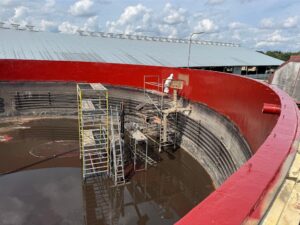 In biogas plant digesters, the most critical area is the gas zone above the liquid level, where acid formed from hydrogen sulphide attacks the concrete. In silage bunkers, concrete is degraded by acidic silage effluent (pH typically 3.5–4.5), and the lower part of the walls, where the effluent collects, deteriorates fastest.
We restore damaged concrete and apply two-component crack-bridging protective coatings such as Sikagard® M 790 and Sikagard®-7000 CR. We also seal the joints of silage bunkers. We have applied protective coatings at the Oisu and Maardu biogas plants and in silage bunkers.
See our biogas and agricultural projects »
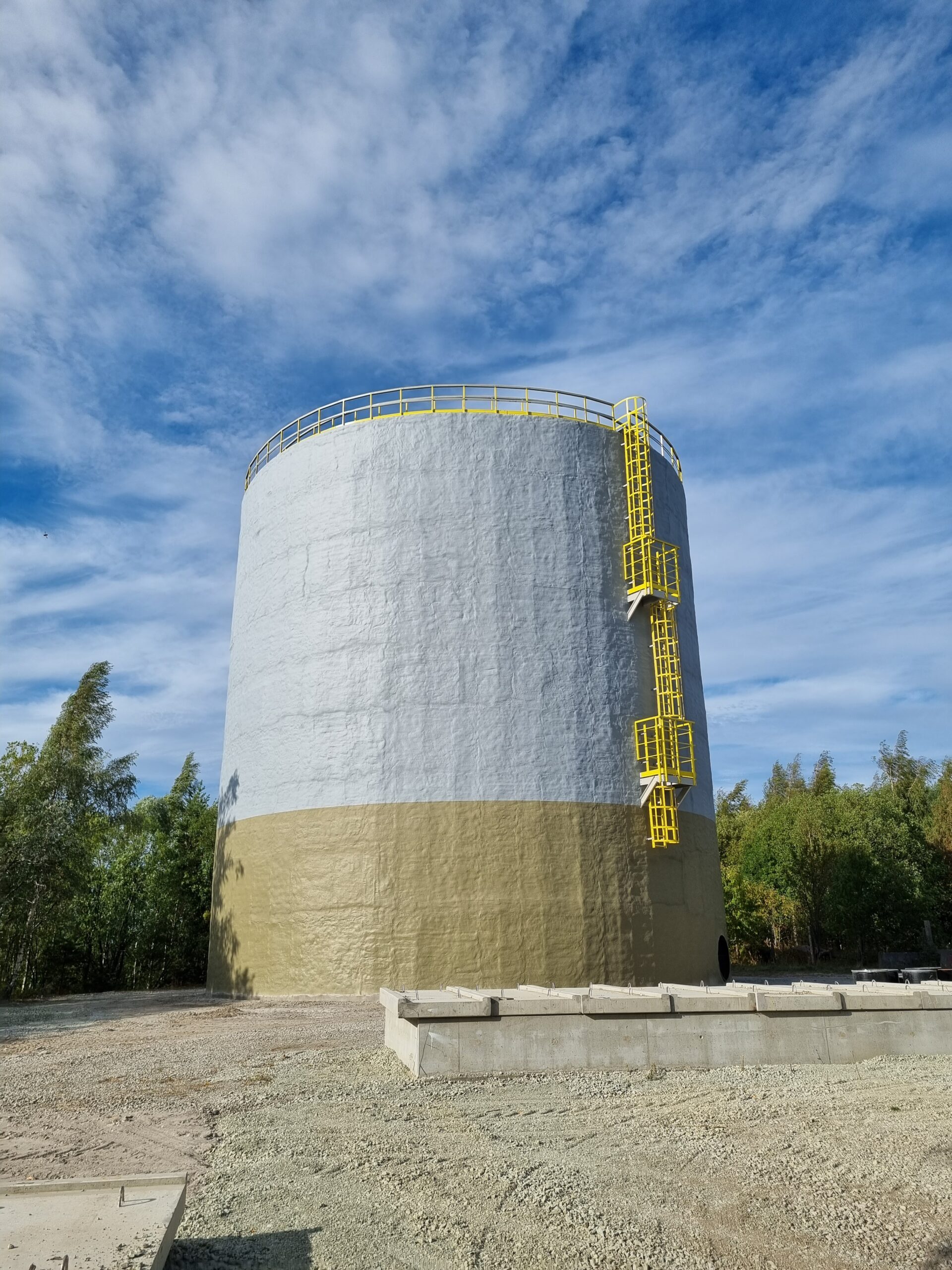
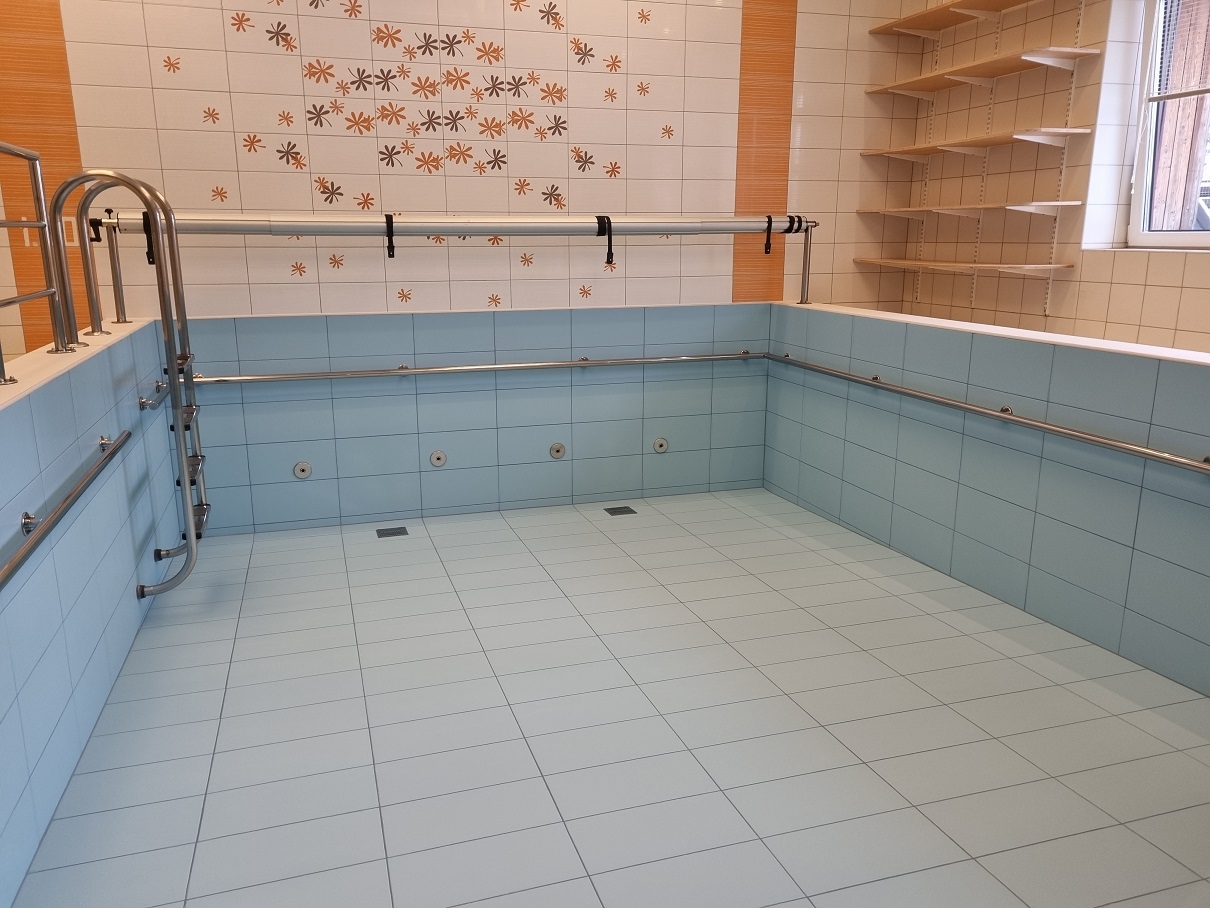
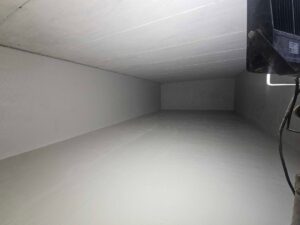 Fire water and sprinkler tanks, process tanks in the food and other industries, swimming pools and their balance tanks must be watertight in both directions. If water enters the tank from outside, it can damage the internal waterproofing; in a tiled pool this causes tiles to come loose, and repairing such a pool is very expensive. We use mineral and elastic waterproofing membranes and polyurethane coatings certified for the purpose of the tank or pool.
Fuel and oil containment bunds and tank bases must reliably retain the liquid in the event of a leak so that it does not reach the soil or groundwater. We restore their concrete surfaces and coat them with a liquid-tight protective coating resistant to fuels and oils.